Is Composite Decking Slippery? What to Know About Traction, Texture, and Safety
- Simcoe Decks

- Feb 28
- 6 min read

When homeowners begin comparing decking materials, one question surfaces almost immediately: Is composite decking slippery?
It’s a reasonable concern. Decks are exposed to rain, morning dew, humidity, spilled drinks, wet feet from the lake or pool, and in Ontario especially, snow and ice. If you’re investing in a long-term outdoor space, understanding how surface traction performs in real-world conditions matters.
The good news is that modern composite decking is specifically engineered with traction and durability in mind. However, like any exterior surface, its performance depends on several factors - including texture, installation quality, maintenance, and environmental exposure.
If you’re evaluating whether composite decking is the right choice for your home, here’s what you need to know about traction, surface design, and overall composite decking safety.
Is Composite Decking Slippery in the Rain?
The short answer to the question “Is composite decking slippery?” is no - not when you choose a high-quality, modern product.
Early generations of composite decking from the late 1990s and early 2000s were sometimes smoother and more prone to slickness in wet conditions. Today’s premium boards are manufactured differently. Surface textures are intentionally designed to improve composite decking traction without making the board feel rough underfoot.
Most modern composite boards include embossed wood grain patterns, brushed finishes, or matte caps that create micro-friction across the surface. These subtle textures enhance composite decking slip resistance in both wet and dry conditions.
In many cases, properly installed composite decking performs better than traditional pressure-treated lumber when exposed to moisture.
That said, no outdoor surface is completely slip-proof. Even natural wood, concrete, or stone can become slick under certain circumstances. The key is understanding what influences traction and how to manage those factors.

What Actually Affects Composite Decking Traction?
When homeowners ask, “Is composite decking slippery?” They're often imagining smooth plastic boards. In reality, traction is influenced by much more than material type alone.
Surface texture plays the most obvious role. Boards with deeper embossing or brushed finishes tend to provide better grip. Premium composite manufacturers invest heavily in surface engineering because composite decking safety is a priority for residential applications.
Board composition also matters. High-quality capped composite decking is designed to resist moisture absorption. Since it does not absorb water like untreated wood, it is less prone to surface degradation and internal organic growth, both of which can contribute to slick conditions over time.
Environmental factors are equally important. Shaded areas that remain damp for extended periods can allow algae or mildew to form on any surface. Pollen accumulation in spring, fallen leaves in autumn, or standing water from poor drainage can temporarily reduce composite decking slip resistance.
In other words, traction depends on both the product and the conditions surrounding it.
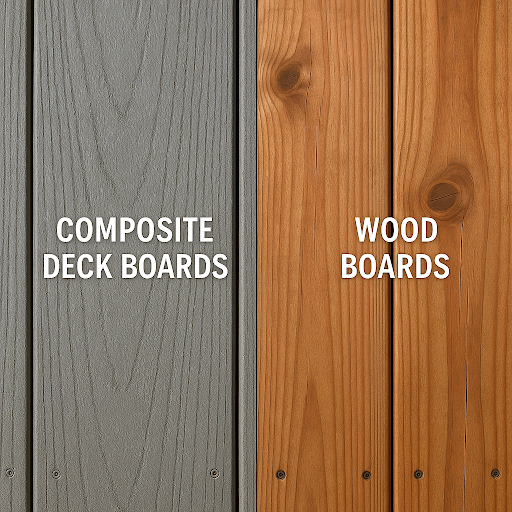
Comparing Composite Decking to Wood
A common follow-up question to “Is composite decking slippery?” is whether it’s more slippery than wood.
The answer depends on the age and condition of the wood.
Fresh pressure-treated lumber can initially provide solid traction. However, over time, wood fibers break down. Stains and sealers can create smoother surfaces. More importantly, wood is highly susceptible to mold and algae growth - especially in shaded or waterfront environments.
Algae is one of the primary causes of slippery deck surfaces, and untreated or poorly maintained wood decks are particularly vulnerable to it.
Composite decking, on the other hand, resists moisture absorption. Since the core material does not retain water, it is generally less prone to deep organic growth. This contributes positively to long-term composite decking safety when routine cleaning is performed.
While neither material is immune to environmental buildup, modern composite decking is engineered to maintain consistent traction over time.
How Is Composite Decking Slip Resistance Measured?
Understanding composite decking slip resistance requires looking at how manufacturers test their products.
Slip resistance is often measured using the coefficient of friction (COF), which evaluates how much resistance exists between two surfaces. Testing is typically conducted in both wet and dry conditions. While exact ratings vary by brand and product line, most high-quality composite boards meet or exceed recommended residential safety thresholds.
It’s important to remember that laboratory testing reflects controlled conditions. Real-world performance still depends on proper installation and maintenance practices.
When Can Composite Decking Become Slippery?
Although modern boards are designed for composite decking traction, certain conditions can temporarily reduce grip.
For example, if organic debris such as leaves or pollen is allowed to accumulate and remain damp, the surface may feel slick. Similarly, heavily shaded areas with minimal airflow can encourage mildew formation if not cleaned periodically.
In Ontario, ice is another consideration. During freeze-thaw cycles, ice will reduce traction on any surface - composite, wood, or stone. Composite decking does not inherently create more ice than other materials, but snow removal and appropriate de-icing practices are still necessary for winter composite decking safety.
Routine maintenance significantly reduces these risks. Light seasonal cleaning is typically enough to preserve composite decking slip resistance.
The Role of Installation in Composite Decking Safety
Even the highest-quality board can underperform if installed improperly.
Drainage is critical. Composite decking should be installed with proper spacing between boards to allow water runoff. Adequate slope away from the home prevents standing water from accumulating on the surface. Proper airflow beneath the deck structure also reduces moisture retention.
Poor drainage is one of the most common contributors to slippery conditions - regardless of decking material. Working with a team of experienced builders who understand structural planning, site grading, and long-term performance ensures these details are addressed from the start.
At Simcoe Decks, structural planning and drainage design are built into every project because composite decking safety is not just about the board itself. It’s about how the entire system performs. When installation is handled correctly, composite decking traction performs consistently and reliably.

Composite Decking Around Pools, Hot Tubs, and Lakefront Homes
Homeowners in waterfront communities such as Collingwood, Barrie, The Blue Mountains, Meaford, Simcoe County, and Grey County often install decking near pools, hot tubs, or lakes.
In these environments, asking “Is composite decking slippery?” becomes even more important.
Modern composite decking is commonly used in poolside and waterfront applications because it resists water absorption and splintering. Bare feet are less likely to encounter sharp fibers, and textured surfaces provide dependable grip.
Selecting a board with a well-engineered cap and pronounced grain pattern is especially beneficial in these high-moisture environments. A durable outer cap helps protect against water intrusion, surface wear, and organic buildup, while a deeper grain pattern enhances traction underfoot. These details may seem subtle, but they play a meaningful role in long-term composite decking safety and performance. If you’re comparing materials and want a clearer understanding of what separates entry-level products from premium options, this guide can walk you through the key considerations to evaluate before building or resurfacing.
Texture: The Most Important Factor
If there is one takeaway when evaluating whether composite decking is slippery, it is this: texture matters.
Today’s composite boards are intentionally designed with varied grain patterns and surface finishes. Matte finishes reduce glare and shine, while embossed patterns add micro-traction that enhances composite decking slip resistance.
Not all composite boards are equal. Lower-end products may have smoother surfaces. When evaluating options, examining sample boards in person and feeling the texture under your hand can provide valuable insight.
A board that feels slightly textured - without being abrasive - will generally provide better composite decking traction.
The Bottom Line: Is Composite Decking Slippery?
So, is composite decking slippery?
Modern composite decking is engineered for traction and performs well in both wet and dry conditions when properly installed and maintained. While no exterior surface can eliminate slip risk entirely, high-quality composite boards provide reliable composite decking safety for everyday residential use.
Surface texture, proper drainage, and routine cleaning all contribute to long-term composite decking slip resistance. When those elements are addressed, composite decking performs confidently in the diverse weather conditions common throughout Ontario.
If you are planning a new build or resurfacing project and want to better understand material performance, durability, and cost considerations, connect with a builder for tailored advice.
When it comes to slip resistance and composite decking - the real question isn’t just “Is composite decking slippery?” It’s whether your deck is built with long-term safety, durability, and thoughtful design in mind. When those factors are prioritized, composite decking delivers both confidence and comfort - season after season.


Comments